
30 Healthy Dinner Ideas for People Who Are Done Overthinking Food
If you've ever opened the fridge at 5:30 pm and found yourself completely blank—staring at the same ingredients you've had all week, unable to summon a single idea—you're in good company.
Finding the bandwidth for dinner when you’re tired, your family is hungry, and you’ve already made a hundred decisions that day is a struggle I know all too well. Fortunately, dinner doesn't have to be complicated to be nourishing, and that's the whole idea behind this list. I’ve organized the meals by time, energy, and cooking level so you can easily find something that works no matter what kind of day you’ve had.
All of these meals are built around what I think of as the foundation of a satisfying, healthy dinner, including llean protein, fiber-rich whole grains, colorful fruits and veggies, and healthy fats. Seventeen of them link to full recipes; the rest are simple enough to pull together without one. Many of them include convenience options like rotisserie chicken, bagged salad kits, frozen grains, or canned beans because shortcuts like these can help you get healthy meals on the table faster and with less stress. In my book, that’s a dinner time win and a smart, sustainable nutrition strategy!
If you're new to thinking about healthy eating in such a flexible, non-restrictive way, I'd encourage you to check out this episode of my Wellness Rebranded podcast, Meal Planning Without the Daily Food Stress! How to Reduce Decision Fatigue and Make Dinner Easier for Your Family.
Let’s jump in.
Meal Ideas for When You're Running on Empty (Under 10 Minutes, Minimal or No Cooking)
These meals require minimal chopping or cooking and most of them are built around pantry or kitchen staples that you can keep stocked in your kitchen.
1. Asian salad with shredded carrots, mango chunks, chopped avocado, and shredded rotisserie chicken or shelled edamame. A bagged Asian salad kit makes this even easier—most come with dressing and crunchy toppings already included, though a simple drizzle of olive oil and red wine vinegar is a great heart healthy option too.
2. Rotisserie chicken with a bagged salad and frozen brown rice. This is a complete meal in three ingredients. Throw some canned beans on the salad for extra fiber if you’d like.
3. Chicken or shrimp quesadillas. Whole wheat tortillas, shredded chicken or shrimp, a handful of spinach, and beans work well. You can also try adding a couple of spoonfuls of canned pumpkin for some added fiber and vitamins. Serve the quesadillas with fruit or a simple green salad.
4. Breakfast tacos. Scrambled eggs in corn tortillas, topped with black beans, avocado chunks, shredded lettuce or cabbage, cheese, and salsa. These come together in just 10 or 12 minutes and have plenty of protein, fiber, and healthy fat.
5. Veggie omelet and whole wheat toast topped with peanut butter. Load the omelet with whatever vegetables you have on hand; the peanut butter toast rounds out the meal.
6. Grain bowl with whatever's in the fridge. Cooked grain such as leftover rice, quinoa, or pasta (but really, any grain works) along with a protein, raw or roasted vegetables, and your favorite sauce, such as guacamole, tzatziki, hummus, or your favorite vinaigrette. This formula works with almost any combination of ingredients and takes about five minutes to assemble when the grain is pre-cooked.
7. Whole wheat pasta tossed with pesto, chickpeas, and a simple salad. Keep a jar of pesto and a can of chickpeas in the pantry and you always have a simple dinner option at your finger tips. Or, if you’re up for a bit more effort, you can make and freeze this easy kale pesto recipe ahead of time.
8. English muffin pizza. Sprouted grain English muffins topped with marinara and mozzarella and served with edamame and fruit is a great, fast meal that everyone enjoys, even the kids. They’ll never know it’s packed with fiber-rich grains and protein!
9. Smoked salmon English muffin. A whole wheat or sprouted grain English muffin topped with cottage cheese, smoked salmon, tomato, capers, microgreens, sliced red onion, and everything bagel seasoning. Think of it as a slightly elevated version of bagels and lox. It's one of my personal favorites.
10. Last-minute Chipotle-style black beans and rice bowls. Season canned black beans with cumin, oregano, and garlic and serve them over rice with whatever toppings sound good to you. I like avocado, salsa, tomatoes, cheese, shredded greens, and a dollop of plain Greek yogurt. When I’ve got nothing planned and little energy to cook, this is my ultimate last-minute dinner option.
Ready to take the overwhelm out of meal planning and cooking? Explore The Nourished Table for recipes and resources designed to help make mealtimes a whole lot easier.
Meal Ideas for When You Have a Bit More Bandwidth (15–25 Minutes, Simple Cooking)
These dinners require a little more effort, but they’re still relatively simple and fast. Pop in your air pods, put on your favorite music, podcast, or audiobook, and give one a try!
11. Grilled Mediterranean stuffed trout. This recipe looks fancy but it’s so simple to make and a great way to dip your toe into cooking fish. It’s stuffed with fresh herbs and lemon, and the whole thing comes together quickly. Just remember to soak the cedar plank for a while before you grill; it's the only step that requires advance planning.
12. Pasta pomodoro with white beans and basil. This dish works best with summer fresh tomatoes, but I’ve also made it with the kumato or cherry tomatoes available in most grocery stores throughout the winter months and it’s still delicious. I recommend serving it over whole grain or chickpea pasta for added fiber.
13. Sheet pan shrimp tacos. Frozen shrimp defrost and cook very quickly. Tailor the toppings to your family preferences and whatever you have in the fridge. I like to pile them into warm corn tortillas with shredded cabbage, salsa, and avocado.
14. 25-minute Greek tzatziki bowls. I love this Half Baked Harvest recipe and usually make it with ground chicken or turkey rather than beef for a gentle nutrition upgrade. I add plenty of extra and easy to prepare vegetables, including microgreens, pre-shredded carrots, avocado chunks, or pickled cucumbers like the ones from the Veggie Confetti company.
15. Turkey, tuna, or salmon burger paired with vegetarian baked beans or a simple bean salad and fresh fruit. Who says burger night can’t be healthy? Consider using a whole grain bun for added fiber and nutrients and topping it with greens, tomatoes, avocado slices, or other veggies.
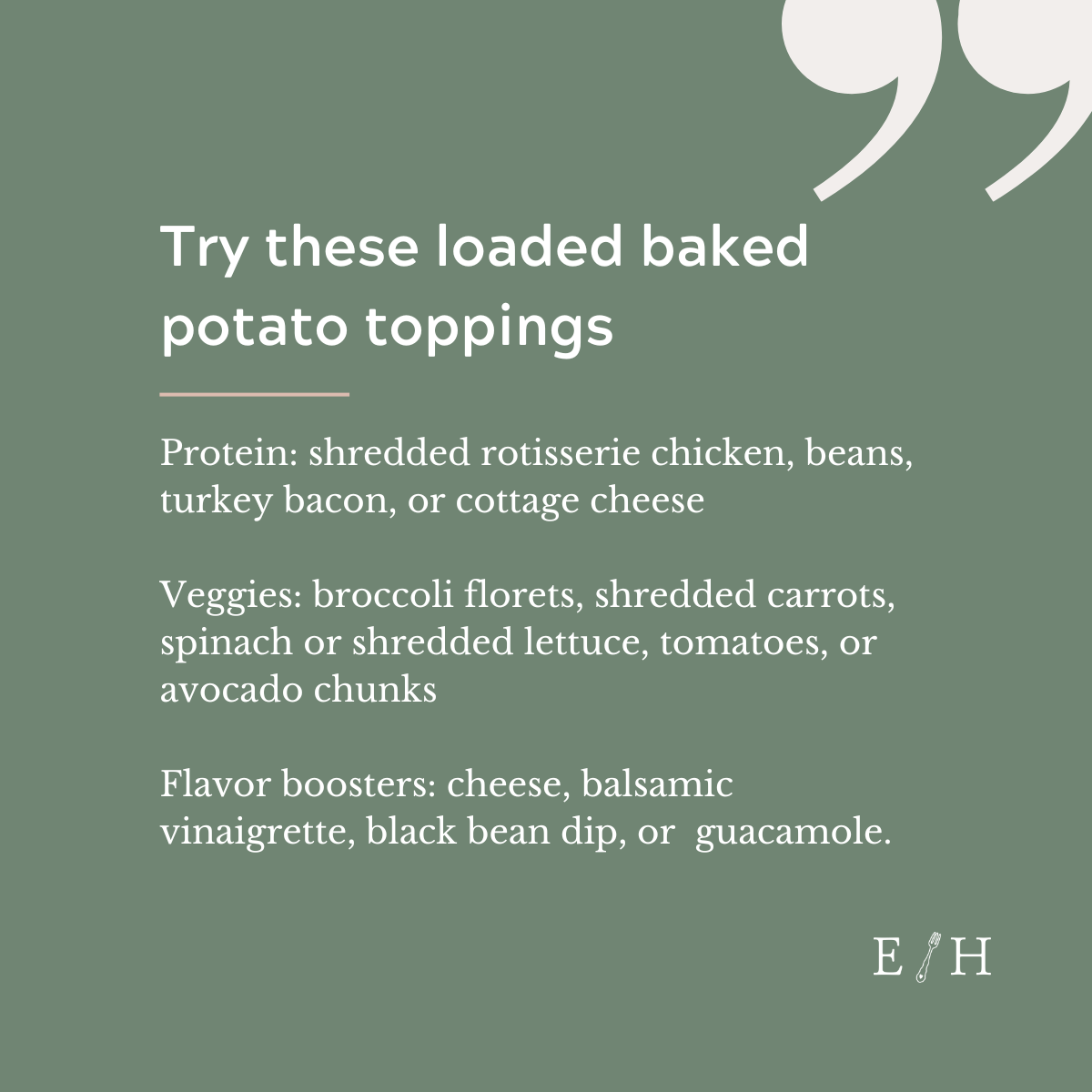
16. Loaded baked potatoes. If you make the potatoes ahead of time (roasted at 425°F in olive oil, salt, and pepper until the outside is crispy and the inside is cooked through), this can be one of the fastest and most versatile dinners on this list. Set out bowls of toppings and let everyone build their own spud.
17. Grilled salmon with a sauce or glaze, rice or roasted potatoes, and roasted vegetables. Salmon is one of those dinners that feels like you tried hard even when you didn’t. Add a simple lemon-herb or dijon mustard glaze before grilling or roasting and you can pull together the other sides as it cooks. Don’t forget about frozen brown rice to save even more time.
18. Tomato soup and grilled cheese. This is forever one of my favorite meals! Use whole grain bread and consider adding spinach to the grilled cheese for a bit of extra color and nutrition.
19. Chilled cucumber soup and a protein of choice. This gazpacho is perfect in summer, especially if you have garden cucumbers you’re looking to use. Serve it alongside rotisserie chicken or hard-boiled eggs.
10. Sweet potato pancakes (aka breakfast for dinner). Opt for a whole grain pancake mix and consider adding canned sweet potato or pumpkin to the batter for extra fiber and a subtly sweet flavor. Pair it with turkey bacon and fruit to round out your meal. You can even stir your favorite protein powder into the batter for a little extra protein.
“I Actually Want to Cook Tonight” Meal Ideas (30+ Minutes, Recipes You’ll Want to Make Again and Again)
These dinners take a little longer but they’re well worth the time investment. Most of them have been in my dinner rotation for years.
21. Lentil soup. Packed with plant-based protein and fiber, lentil soup is filling without feeling heavy. Plus, it freezes beautifully, which means you can save some for a fast dinner some other night.
22. Crispy salmon bowls. I love this recipe because it tastes great and is endlessly flexible. Top the bowls with whatever veggies you have in the fridge!
23. Hearty cabbage and ground turkey soup. This delicious soup is packed with a variety of veggies, and it’s won over more skeptics than any other recipe I recommend. Many people have told me that even their kiddos enjoy it.
24. Pumpkin and ground turkey chili. Adding canned pumpkin to chili might sound unusual, but it deepens the flavor and adds fiber you wouldn't get otherwise. This is a great make-ahead dish that also freezes well.
25. Chicken bibimbap. This is a Korean-inspired rice bowl with seasoned vegetables, fried or poached egg, and a drizzle of gochujang or sesame sauce. It’s a bit more involved than most dinners on this list, but worth every minute.
26. Summer bolognese. I love this summery dish because it’s easy and quicker than most other bolognese recipes; plus, the fresh veggies give it a surprisingly light and nutritious twist. You can use ground turkey for an even lighter version and serve it over whole grain pasta for added fiber.
27. Baked farro with summer veggies. Farro is one of my favorite whole grains because it cooks fast and tastes great. This dish is delicious, plus the leftovers are excellent topped with a poached or fried egg.
28. Thai turkey lettuce wraps. This dish is fast, flavorful, and always a hit. I usually add extra shredded carrots, chopped scallions, and chopped peanuts when serving. Pair it with steamed broccoli or another vegetable for a complete meal.
29. Butternut sausage bake with kale and tomato cream. I use chicken sausage and serve this over whole grain or chickpea pasta so it’s packed with protein and fiber.
30. Soy ginger chicken. I’ve been making this slow cooker recipe for years. I add extra carrots and skip the step of thickening the sauce with cornstarch—I don’t think it needs it. Throw it in the crockpot in the morning and come home to a delicious dinner. Pair it with a side salad to round out the meal.
Your Top Questions Answered
What does 'healthy dinner' mean when you're not following a diet?
As a registered dietitian, here's my working definition: a healthy dinner includes adequate protein to keep you satisfied, fiber-rich foods like vegetables, beans, or whole grains, and heart-healthy fats. It tastes good (without apology) and includes vitamin joy. Plus, it's flexible enough to incorporate convenience items when you need them.
What's the most nourishing dinner you can make when you have zero mental energy?
How about a grain bowl? Cook a batch of grains at the beginning of the week (or buy them pre-cooked and frozen), throw in some rotisserie chicken or canned beans, add whatever veggies you like, and top with a simple sauce. Get creative and use whatever you have on hand.
Can you suggest meals that will help me feel good without tracking, counting, or following a plan?
As a non-diet, Intuitive Eating aligned dietitian who helps people heal and transform their relationship with food, I typically support my clients to move away from counting calories or following rigid dieting rules. Here’s a great place to start. Try asking the following three questions at mealtimes. First, “what sounds good?” Second, “what can I add to this meal to boost its nutrition?” Good options are often protein, fiber, beans, or colorful produce. Lastly, “how can I eat this in a way that feels good?”
It takes a little practice, but most of my clients find that letting go of food rules makes mealtimes far more enjoyable, and more often than not, it leads to a more consistent, sustainable approach to healthy eating than anything they've tried before.
What are some dinners a busy family can rotate through each week to minimize planning fatigue?
Here’s a short list that typically works well for my clients: grain bowls (endlessly flexible), loaded baked potatoes (make the potatoes ahead of time), taco nights with various fillings, soup and salad, breakfast for dinner, pasta with protein and a sauce, and a slow cooker meal that's ready when you get home. Allowing for variety within the formula, such as a different soup, grain bowl filling, taco protein, or pasta sauce each week, will keep your meals feeling fresh even within a predictable structure.
How is a weight-neutral approach to healthy eating different from a diet or clean-eating plan?
A diet or clean-eating plan nearly always revolves around restrictive eating, calorie counting, and strict food rules, while success is typically tied to a number on the scale. A weight-neutral approach starts from a different place entirely. Instead of taking things away, we add in nutrition. In place of rigid rules, we focus on what sounds and tastes good and then take simple steps to make it a little more nourishing and supportive of your health. Rather than chasing a smaller body, the goal is to build healthy habits and a peaceful relationship with food that supports your physical, mental, and emotional wellbeing—or what I like to call your whole health.
If you want to go deeper on understanding how this approach works in practice, I recommend listening to this episode of the Wellness Rebranded Podcast, Why Is It So Hard to Stop Focusing on Weight Loss? It's a good starting point for understanding the non-diet, weight-neutral approach to health.
What should a woman in perimenopause prioritize at dinner to support energy and hormonal health?
Satisfaction, first and foremost. There's a lot of fearmongering and noise around eating in perimenopause, and I want to be clear: enjoying your food is an important part of healthy eating. From there, focus on lean proteins like chicken, turkey, fish, eggs, or beans to support muscle mass and stable energy. Fiber-forward foods like colorful vegetables, legumes, and whole grains support gut and heart health and you’ll want to get plenty of calcium and vitamin D-rich foods to support bone health. Don’t forget that eating enough is important; many perimenopause plans recommend too few calories and rigid diets that aren’t built to be sustainable.
You might also find this episode of Wellness Rebranded, Everything Endocrine: A Weight-Inclusive Guide to Midlife Hormones with Gregory Dodell, MD helpful.
How do you decide what to make for dinner when you’re mentally exhausted and every option feels overwhelming?
I recommend brainstorming a list of what I call no-brainer meals; these are dishes that use pantry staples, you already know how to make, and that most people in your household enjoy. Make your list when you’re feeling good so you don’t have to think too hard when you need it. This episode of Wellness Rebranded, Meal Planning Without the Daily Food Stress! How to Reduce Decision Fatigue and Make Dinner Easier for Your Family, is packed with other tips and strategies that can make mealtimes easier.
One Last Thing
Dinner doesn't have to be perfect to be nourishing and it’s ok to take shortcuts.
The ideas in this list are ones I use in my own kitchen and often recommend to clients. Some are quick; some take a little more time. All of them are built around whole foods, delicious ingredients, and a gentle, flexible approach to nutrition.
If dinner decisions are draining you, The Nourished Table might be exactly what you need. Each month you get five hand-picked recipes, a ready-to-use shopping list, and ideas for repurposing each dish into multiple meals so you can get more bang for your buck.
If you're curious about how we can work together to heal or improve your relationship with food, I'm always happy to connect!